Food for Thought

Chips and salsa is a breakfast food. 

When I was in active treatment for breast cancer, I had 6 rounds of chemotherapy every 3 weeks on Thursday mornings. The first 14 days post-infusion were absolute hell from an eating perspective. I wasn’t able to keep anything down, including most chemo-friendly “safe foods,” e.g. rice, applesauce, unseasoned chicken, fruit, and any/all water. 

This was because the chemo affected my taste buds, made my tongue numb, and gave me the worst possible indigestion – which I scarcely experience under normal circumstances. For those two weeks, the concept of eating was like hell on earth. 

You never realize how much food absorbs your thoughts until you can’t eat. You think about food constantly, and food is everywhere. In the media you watch. In advertisements. Outside in the air, the smells. When you leave your house, when you scroll your phone, no matter which way you turn, something food-related is bound to pop up and remind you that you can’t have any of it. 

I would drive myself crazy watching cooking and mukbang videos on TikTok because I wanted to eat all of the glorious foods the creators made and ate, and if my energy levels were up, I’d cook something for my parents (who I lived with at the time) that I wanted to eat, but I couldn’t, so I lived vicariously through the meals I made. 

For the smaller window between days 10–14, I would be able to eat at a limited capacity, and that capacity included mostly bland, flavorless foods that wouldn’t “shock” my palate or upset my digestive tract. 

And if any of you know me at all, as a Mexican-American woman, eating bland, tasteless, unseasoned food was basically a second hell for me. Under normal circumstances, I am an adventurous eater who gravitates toward highly seasoned, flavorful foods with ample spice, citrus, and salt – all of the best flavors in the world. 

One day, about 7 days post-chemo, I was feeling brave, and I attempted to eat pico de gallo my dad made. I have an insane spice tolerance, but I couldn’t keep one bite down. Imagine the worst heartbreak you’ve ever experienced. It was like that, but a million times more heartbreaking. 

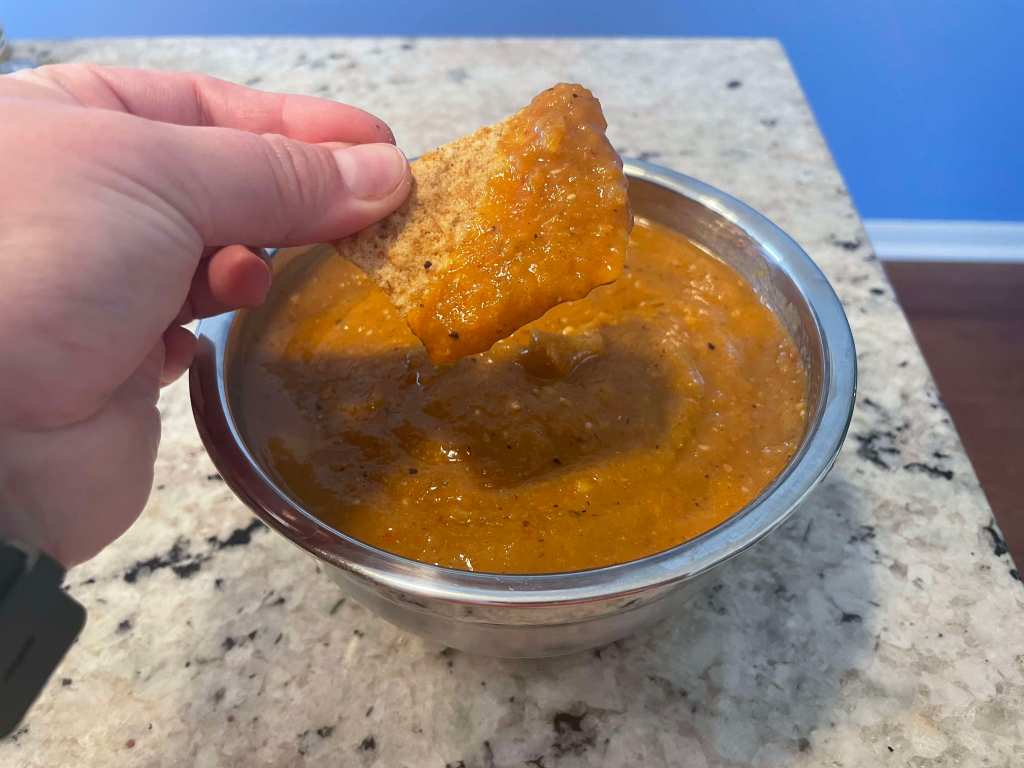
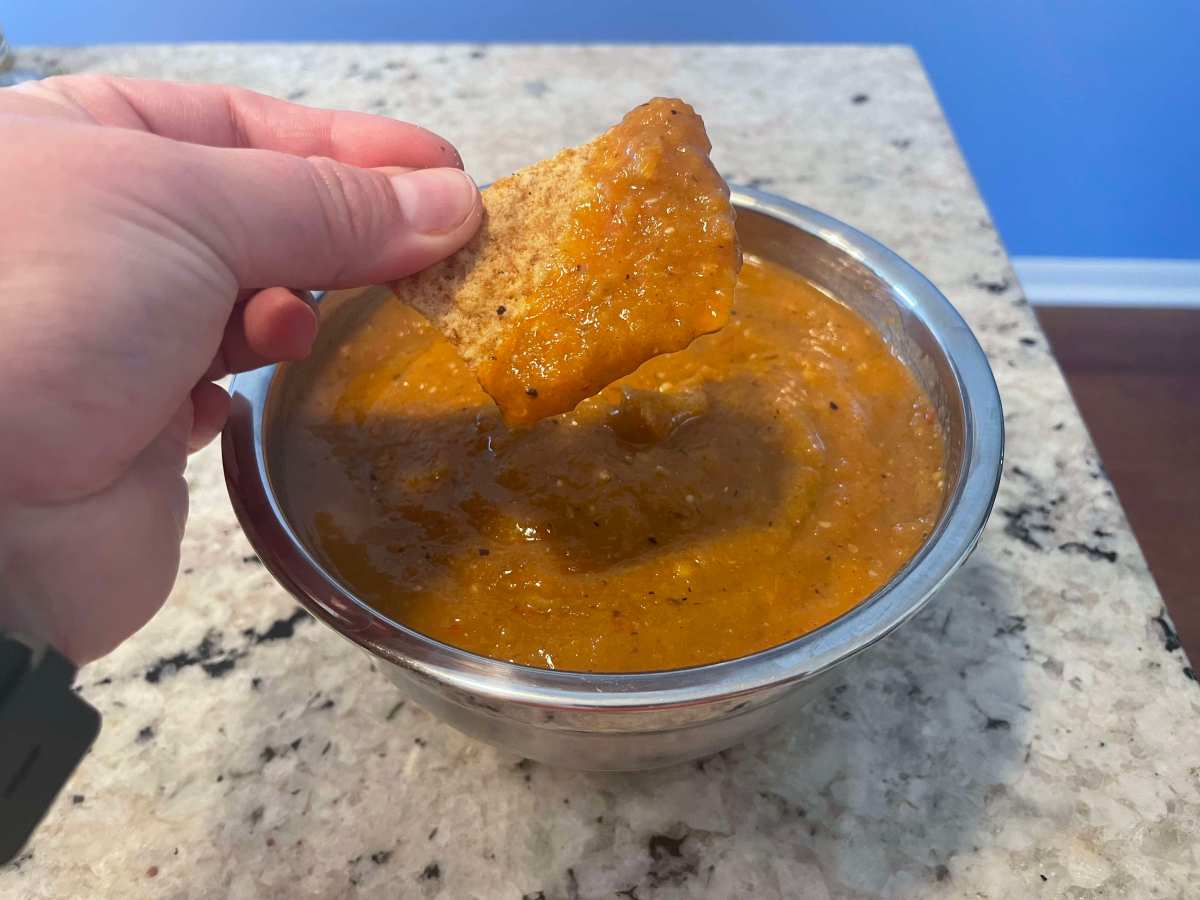
Once the start of week 3 came around (the week where I’d have chemo again on Thursday), my tongue started feeling normal and I was able to taste foods like before, including all of the spicy goodness I could handle. A comfort food of mine is chips and salsa. But not what you’d buy at the grocery store – homemade roasted salsa my parents taught me how to make. 

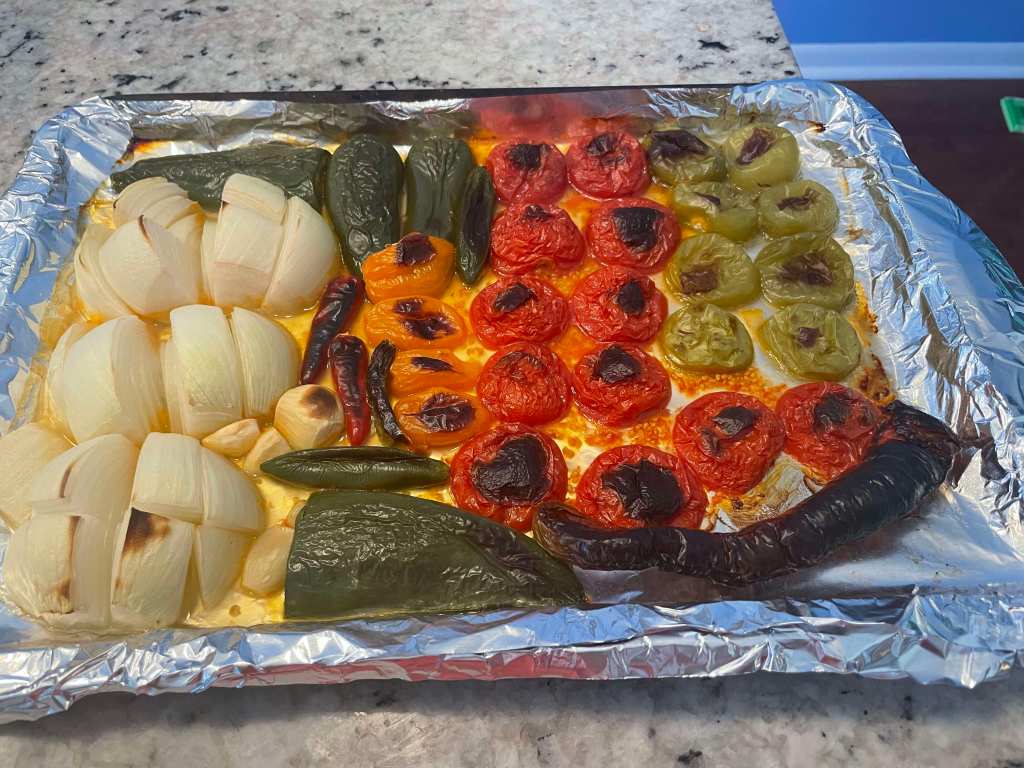
I’d roast tomatillos, tomatoes, serrano and habanero peppers, garlic, and onion until blistering, blend them all together, add a generous squeeze of lime, season with salt and pepper, and take that first glorious scoop on a sturdy Mexican tortilla chip and let it dance on my tongue. All of the flavors, like colors, brightened my spirits and seasoned my palate with an unmatched joy I can hardly express through writing. 

Fortunately, once I finished treatment, my tastebuds returned in full, and I’ve been happily able to eat anything I desire – including the best salsa I can make, at any time of day, whenever I damn well please. Would you like some?

To read more about my issues with eating during chemotherapy, check out Hungry, but Can’t Eat: Food Issues While Undergoing TCHP Chemo.

breast cancer awareness symbol pink paint flowing

Breast Cancer Awareness Month (as a Breast Cancer Survivor)

Breast Cancer Awareness month begins October 1st, annually.

As a woman who has undergone treatment for breast cancer, my perception of all things breast cancer has changed since my diagnosis, treatment, and post-treatment survivorship status. Because of my experience as a breast cancer patient during BCA month, I’d like to inform all of you about some things relating to breast cancer and support that you can take into consideration during the month of October – and always.

Check your breasts

Women, check your breasts. Every month. If something feels off, go to the doctor. Get them checked out. It can happen to you. One in 8 women will get breast cancer in their lifetime. And more women are getting breast cancer earlier in life. I found my tumor in December 2020 at 26 years old and was diagnosed at 27. Despite the recommendation that only women over 45 get regular mammograms, this isn’t just a cancer that happens to grandmas, moms, and aunts. It can happen to any woman at any time. And it does.

Stage 4 needs more

While breast cancer is often highly curable, metastatic breast cancer is not. It is fatal. Women may live for many years with the disease, but so far there is NO cure for metastatic (also known as Stage 4) breast cancer. Stage 4 needs more funding, research, and recognition.

Metastatic breast cancer awareness day is October 13th annually, and you can learn more about the disease and how to help. Donations are paramount to increasing research for metastatic breast cancer. If you’re wondering which of the many BC orgs to give your coins to, consider Metavivor.

Watch where you buy your pink “support” gear from

If you want to wear pink in support of breast cancer awareness, go for it! But first find out whether where you’re buying pink gear from is actually donating part of the proceeds to breast cancer research foundations or not. If not, find a store that is and buy from them instead. Better yet, find specific breast cancer organizations and donate to them directly.

A lot of companies like to make a quick buck off of people who either think they’re being supportive and don’t know better or off survivors/thrivers looking to buy some gear for themselves. We don’t want this. Wearing pink without actually donating to foundations that help breast cancer patients doesn’t support a damn thing.

Instead, look for a BCRF (Breast Cancer Research Fund) label or partnership acknowledgement on a company’s website. If you don’t see copy on a business’ website that indicates they are donating a portion of proceeds to a breast cancer-specific organization, chances are they’re pinkwashing and just benefitting from the “hype” around Breast Cancer Awareness Month by selling pink gear with no intention of donating any money from their sales.

Here are a few clothing brands that donate proceeds to BCRF or other breast cancer organizations:

Lane Bryant: Will donate 90% of the purchase price of a Cares Card to the Breast Cancer Research Foundation.

BCAM campaign from Lane Bryant, October 2024

Torrid: Will donate 100% of shoppers’ donations to the National Breast Cancer Foundation (US) and Rethink Breast Cancer (CA), as well as $1 from every bra they sell now through the end of October.

BCAM campaign from Torrid, October 2024

Lilly Pulitzer: Will donate $25,000 to the Breast Cancer Research Foundation.

BCAM campaign from Lilly Pulitzer, October 2024

Pay attention to what you say and how you say it to women battling breast cancer

Don’t tell someone who gets diagnosed with breast cancer that they’re *lucky* because they got the *good* cancer. While earlier stages of breast cancer are highly treatable, treatment – especially for those who have to endure chemotherapy, radiation, and/or surgery – is painful and life-altering.

I dealt with significant hair loss despite cold capping, severe face and arm rashes, gastrointestinal issues that caused me to drop 40 pounds over four months’ time, nail loss and discoloration, and medication-induced side effects like vomiting, diarrhea, hot flashes, and fatigue, all at 27 years old. And really, no cancer is “GOOD”.

Also, we don’t want to hear how your cousin’s friend’s grandma “had breast cancer, too!” …and then died from it.

If you’re talking about someone close and personal to you who died from breast cancer (a direct relative, a friend), that’s different. But still, talking about death could be triggering to breast cancer patients – ESPECIALLY those with metastatic breast cancer. Ask before sharing a story about someone who died from the same cancer someone is currently going through treatment for.

Do your research to help others

All it takes is a quick Google search: “breast cancer awareness month donations” for multiple options to pop up. If you can’t afford to donate, share a post on social media and help bring awareness to others. Breast cancer isn’t something we should brush off because “oh everyone knows about it”. I thought everyone knew about it, too, until I was diagnosed and realized I didn’t know shit.

We need you to speak up, donate, and participate. Because without your voice supporting those around you, the voices of those who suffer from this disease – primarily women – won’t get the funding, help, and recognition they deserve.


If you’d like to discuss breast cancer in more detail, please reach out via my contact page for availability for speaking engagements throughout October 2024 and beyond.